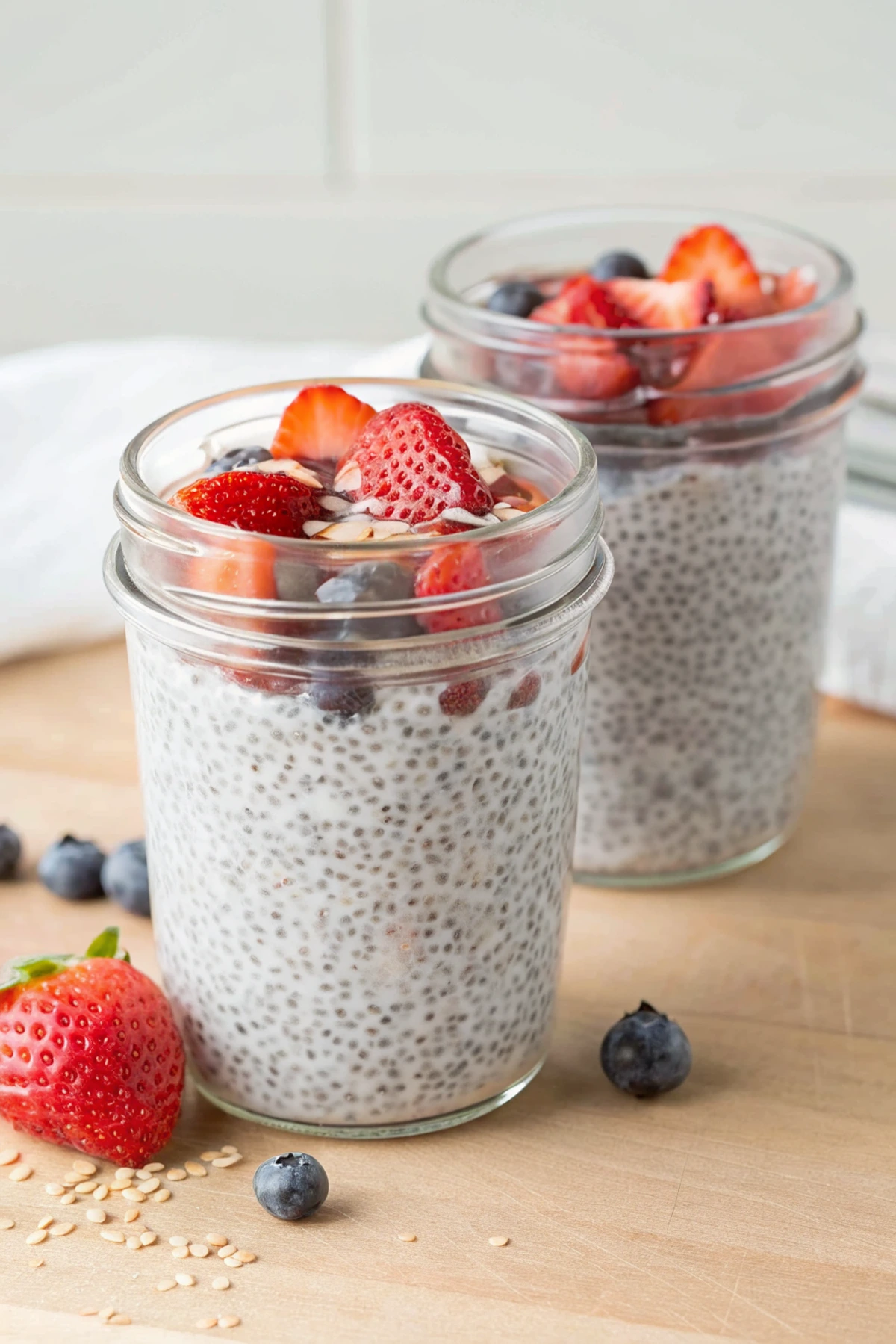
Unlock the Best Chia Pudding: Ratios, Texture & Flavor Secrets
Have you ever tried to whip up a batch of chia pudding, only for it to turn out too watery, too clumpy, or just... bland? You're not alone! While creating delicious
chia seed pudding recipes might seem straightforward, there are subtle yet crucial techniques that separate a mediocre batch from a truly irresistible one. This comprehensive guide will equip you with the secrets to mastering the perfect ratios, achieving that luscious texture, and infusing your chia pudding with incredible flavor every single time. Get ready to add this versatile, healthy, and incredibly easy dish to your weekly rotation!
Chia pudding has exploded in popularity, and for good reason. It’s a nutritional powerhouse, packed with fiber, omega-3 fatty acids, and protein, making it an ideal choice for a quick breakfast, a satisfying snack, or even a wholesome dessert. Plus, its make-ahead convenience is a game-changer for busy mornings. Let's dive into how you can make it so good your family will be asking for it on repeat.
The Core of Perfection: Mastering Chia-to-Liquid Ratios
The foundation of any great chia pudding lies in getting the ratio right. This is often where people go wrong, leading to either a thin, soupy concoction or an overly dense, gelatinous block.
*
The Golden Rule: A stellar starting point is
3 tablespoons of chia seeds per 1 cup (240ml) of liquid. This particular ratio consistently yields a beautifully creamy, spoonable pudding that holds its shape without being overly stiff.
*
Understanding Flexibility: While 3:1 is a fantastic benchmark, remember it's a starting point.
* If you prefer a thicker, more substantial pudding, you can slightly increase the chia seeds to 3.5 tablespoons per cup. This is often preferred if you're layering with fruit or want a firmer base.
* For a slightly looser, more drinkable consistency, consider reducing the chia seeds to 2.5 tablespoons per cup. This can work well if you plan to blend it into a smoothie-like drink.
*
The Liquid Factor: The type of liquid you choose can also subtly influence the final texture. Thicker milks (like full-fat canned coconut milk or some dairy milks) can sometimes yield a slightly denser pudding even with the same ratio, as they contribute more solids. Conversely, water or very thin plant milks might feel slightly lighter. Don't be afraid to experiment, but always start with the standard ratio and adjust based on your personal preference after your first successful batch.
Beyond the Basics: Achieving Irresistible Texture
Beyond the perfect ratio, several key techniques ensure your chia pudding is smooth, clump-free, and delightfully creamy.
The Double Stir Secret
This is perhaps the most overlooked, yet critical, step in achieving a uniformly smooth texture. If you've ever encountered lumps of dry chia seeds in your pudding, this tip is for you.
*
Initial Stir: When you first combine your chia seeds and liquid, stir vigorously for about 30-60 seconds to ensure all the seeds are thoroughly coated. This initial mix begins the hydration process evenly.
*
The Crucial Second Stir: After letting your mixture rest for 5 to 10 minutes, give it another thorough stir. During this brief rest, the chia seeds start to absorb liquid and expand, often clumping together at the bottom or forming a thick layer. The second stir breaks up these potential clumps, redistributing the seeds evenly throughout the liquid. This ensures consistent gelling and a wonderfully smooth end product. Skipping this step is a common culprit behind clumpy chia pudding.
The Virtue of Patience: Rest Time is Non-Negotiable
Chia seeds need time to work their magic. They absorb liquid and create a gel-like consistency, which is what gives the pudding its unique texture.
*
Minimum Rest: Allow your chia pudding to sit for at least 2 hours in the refrigerator. This gives the seeds sufficient time to fully hydrate and swell.
*
Optimal Rest: Overnight is Best! For the creamiest, most homogenous texture and fullest flavor development, letting your chia pudding rest overnight (or for at least 6-8 hours) in the fridge is ideal. This extended period ensures complete absorption, softening the seeds and allowing the flavors to meld beautifully. You’ll wake up to a perfectly set, stress-free breakfast.
Troubleshooting Texture Woes
If your chia pudding isn't quite right, here’s a quick guide:
*
Too Clumpy? This is almost always due to insufficient stirring at the beginning. Remember the double-stir method! If it's already set and clumpy, you can try adding a splash more liquid and stirring well, then letting it sit for another hour, but prevention is easier. For a deeper dive into perfecting your pudding's consistency, explore our guide on
From Clumpy to Creamy: Your Ultimate Chia Pudding Recipe Guide.
*
Too Watery? Your pudding likely needs more time to absorb, or your chia-to-liquid ratio is off. Add another half tablespoon of chia seeds, stir well, and let it rest for a few more hours or overnight.
*
Too Thick? Add a splash more liquid (about a tablespoon at a time) and stir until you reach your desired consistency.
Elevating Flavor: The Art of Customization
Once you’ve mastered the texture, the world of flavor customization opens up! This is where you can truly make
chia seed pudding recipes your own.
Choosing Your Liquid Base Wisely
The milk you select will subtly impact both the taste and creaminess of your pudding.
*
Light & Refreshing: Almond milk and
oat milk are popular choices that keep the pudding light and subtly sweet. Oat milk, in particular, adds a lovely creaminess.
*
Rich & Creamy: For an indulgent, extra-creamy texture, especially recommend
canned full-fat coconut milk. It imparts a tropical richness that’s divine.
*
Protein & Fullness: Dairy milk (like 2% or whole milk) adds protein and a richer mouthfeel. Many find the familiar taste comforting and satisfying.
*
Beyond Milk: Don’t be limited! You can also use
water, coconut water, fruit juice, or even blended fruits (like pureed berries or mango) as part or all of your liquid. While milk or plant-based milks generally yield the creamiest texture, these alternatives offer unique flavor profiles and can be a fantastic way to boost nutrition and natural sweetness. You can even mix two different types of milk for a custom blend!
Sweetening Strategies
When it comes to sweetness, timing is key for ultimate control.
*
Sweeten Later: It's best to taste your chia pudding once it’s fully chilled and absorbed. This allows you to accurately gauge the sweetness level. Add your sweetener then, stirring it in thoroughly.
*
Natural Sweeteners: Maple syrup, honey, agave nectar, and date paste are excellent natural options. A teaspoon or two per serving is usually a good starting point.
*
Sugar-Free Alternatives: For those managing sugar intake, stevia, erythritol, or monk fruit are viable options.
Flavor Combos & Toppings Galore
This is where the fun truly begins! Think of your basic chia pudding as a blank canvas.
*
Fruity Delights: Fresh berries (strawberries, blueberries, raspberries), sliced banana, mango cubes, kiwi, peaches, or a quick fruit compote. Blending fruit directly into the liquid before adding chia seeds creates vibrant, naturally flavored puddings.
*
Nutty & Crunchy: Toasted nuts (almonds, walnuts, pecans), seeds (pumpkin, sunflower), granola, or a dollop of your favorite nut butter (peanut butter, almond butter, cashew butter) add incredible texture and healthy fats. The High-Protein Blueberry & Peanut Butter Chia Pudding from our references is a prime example of this delicious pairing.
*
Chocolate Indulgence: Stir in cacao powder or cocoa powder for a chocolate chia pudding. Top with chocolate chips (dark chocolate is great for antioxidants!), cacao nibs, or a drizzle of chocolate sauce.
*
Spices & Extracts: Vanilla extract, cinnamon, cardamom, pumpkin pie spice, almond extract, or even a pinch of sea salt can elevate the flavor significantly.
*
Protein Boost: For an extra dose of protein, blend in a scoop of your favorite protein powder (vanilla or chocolate work wonderfully).
*
Make-Ahead Magic: For more inspiring ideas that emphasize convenience and diverse flavors, check out our collection of
Stress-Free Chia Pudding: Easy Make-Ahead Recipes & Milk Choices.
Beyond Breakfast: Chia Pudding's Versatility
The beauty of chia pudding extends far beyond the breakfast table. Its incredible versatility makes it a perfect fit for any part of your day.
*
Healthy Snack: A small portion of chia pudding can curb hunger and provide sustained energy between meals, preventing those mid-afternoon slumps.
*
Guilt-Free Dessert: Layered with fruit, a sprinkle of chocolate, or a swirl of nut butter, chia pudding transforms into a satisfying and wholesome dessert option that won't leave you feeling sluggish.
*
Meal Prep Champion: Its make-ahead nature is its superpower. Prepare several portions at the start of the week, and you’ll have a grab-and-go meal ready for any occasion. This saves time and ensures you always have a healthy option at hand.
*
Freezing? While you *can* freeze chia pudding, be aware that the texture may change slightly upon thawing, potentially becoming a bit grainier or more separated. For the best experience, it's generally recommended to enjoy it fresh from the refrigerator within 3-5 days.
Unlocking the best chia pudding is truly a simple matter of understanding a few key principles: the right ratio, the importance of consistent stirring, and adequate rest time. With these foundational techniques mastered, you have the freedom to experiment endlessly with flavors, creating unique and delicious
chia seed pudding recipes that cater to your cravings and nutritional needs. So go ahead, mix up a batch tonight, and discover your new favorite healthy staple!